

Roger Federer Retirement Impact on Swiss Tourism and Tennis Brand Globally
Some athletes leave with trophies. A smaller group leaves with a country, a style, and a sport still borrowing from their image years later. The Roger Federer Retirement changed more than the men’s tennis schedule; it shifted how fans, brands, and travelers understood Switzerland as a place with emotional weight. For American readers, this matters because Federer became one of the rare European athletes who felt familiar without needing constant explanation. He was not loud. He did not sell drama. He sold trust.
That trust now follows him into Swiss tourism, luxury goods, sportswear, broadcast memories, and youth tennis clubs that still teach his footwork like a language. His farewell at the 2022 Laver Cup gave the tennis world a clean ending, but it also gave marketers something stronger than a highlight reel: a living symbol who no longer had to win on Sunday to stay valuable on Monday. Readers tracking sports business, travel demand, and athlete branding can follow more sports culture and brand analysis to see why this case keeps showing up in wider conversations.
Why Federer’s Exit Made Switzerland Feel More Personal
Federer had already been tied to Switzerland before he stopped playing. The mountains, trains, watches, chocolate, quiet wealth, and careful design all matched the public version of him. That sounds too neat at first, almost like a marketing deck. Yet it worked because the fit was not forced.
Switzerland did not need Federer to explain that it had lakes and Alpine towns. What he gave the country was a human face. For an American family planning a high-cost European trip, that face can soften the leap from “beautiful but expensive” to “worth saving for.”
The ambassador role had already been earned
Before the tourism campaigns, Federer had spent two decades acting like an unofficial national host. He carried Swiss identity without turning it into a slogan. He spoke several languages, moved with restraint, and seemed comfortable in luxury without looking trapped by it.
That matters in travel marketing. People do not choose a destination only by price or scenery. They choose the feeling they expect to have there. Federer made Switzerland feel calm, polished, and safe without making it seem dull.
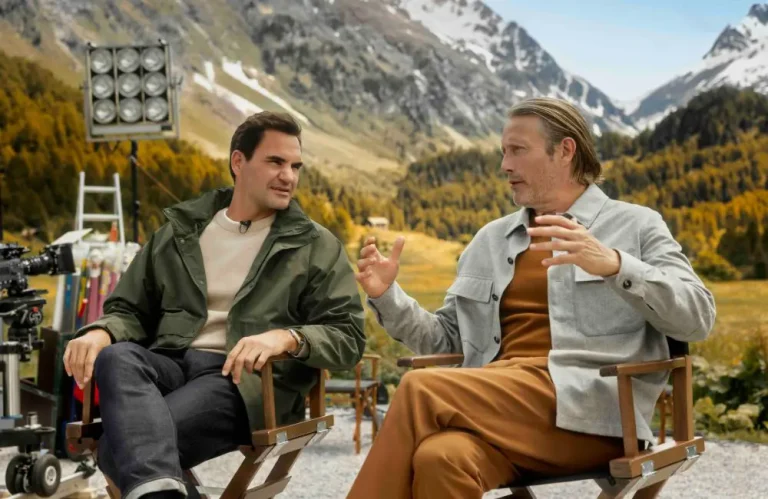
One concrete example is the way his campaigns with major actors leaned into comedy rather than hard selling. The joke often placed Swiss scenery above celebrity. That was smart. It told viewers, “Even Federer can be upstaged here.”
American travelers read him differently than European fans
In the U.S., Federer was never a weekly obsession the way he was in tennis-heavy parts of Europe. Many Americans saw him through Wimbledon finals, Rolex ads, U.S. Open nights, and highlight clips. That lighter relationship made him cleaner as a travel symbol.
A fan in New York or Dallas might not know Basel from Bern, but they know Federer stands for grace under pressure. When that image attaches to Swiss rail trips, mountain hotels, and lake cities, it reduces the distance. Switzerland stops being a postcard and starts feeling like a place with a guide.
The counterintuitive part is that retirement helped. An active athlete can distract from a destination because the next match always pulls attention back to sport. A retired Federer can point outward. The country becomes the main character.
Roger Federer Retirement and the New Shape of Switzerland’s Travel Story
The modern travel buyer wants proof, but not always in the form of hard data. They want cues. A trusted public figure can act like a shortcut when the choice feels expensive, foreign, or hard to plan. Federer became that shortcut for Switzerland travel.
Swiss tourism also had a timing advantage. After the pandemic years, long-haul travelers from the U.S. became more selective. They wanted bucket-list trips, cleaner air, outdoor space, and smoother logistics. Switzerland fit that wish list, but Federer gave it warmth.
The Federer effect is less about crowds than confidence
It would be lazy to claim Federer alone sent millions of travelers into Swiss hotels. Travel demand moves through exchange rates, flight access, school calendars, safety concerns, and income. No athlete controls all of that.
His value sits in the softer layer. He helps turn interest into comfort. A retired couple in Florida comparing Italy, France, and Switzerland may already admire Alpine scenery. Federer adds a familiar emotional nudge.
That is where the Federer legacy matters most. It does not need to create a trip from zero. It can move Switzerland from “someday” to “next summer.”
Luxury becomes warmer when the guide feels human
Switzerland can intimidate American travelers. It has a reputation for high prices, precise rules, and polished quiet. That can be attractive, but it can also feel stiff.
Federer changes the temperature. His public image carries luxury, yet it is rarely cold. He laughs easily in ads, talks about trains and mountains without sounding above anyone, and makes Swiss order feel like care rather than control.
That is useful for high-end tourism. A five-star hotel in the Alps does not need more gold in the lobby. It needs guests to believe the experience will feel personal. Federer helps make that promise believable.
For publishers building related travel clusters, a supporting guide such as European destination planning ideas could connect this topic to wider search intent without competing with the main angle.
How Federer Kept the Global Tennis Brand Valuable After Leaving the Tour
Tennis has a strange problem. Its greatest stars can be bigger than its weekly events. When one leaves, the tour loses a familiar emotional anchor. Federer’s exit exposed that risk, but it also showed how a player can keep feeding the global tennis brand without playing full seasons.
He stayed visible through selective appearances, documentaries, brand work, equipment lines, charity projects, and event memories. That slow drip matters. It keeps older fans close while giving younger fans a reason to study the past.
Tennis still sells his style because style ages well
Power records get broken. Speed records get challenged. A style, when it is clear enough, can last longer.
Federer’s tennis was easy for casual viewers to recognize. The one-handed backhand, soft hands at net, quiet feet, and calm walk between points gave him a signature. Even people who could not explain topspin could sense the difference.
That is why the global tennis brand still uses him as a reference point. His image helps the sport argue that tennis is not only athletic punishment. It can also be taste, timing, patience, and control.
His absence made the sport’s tone louder
After Federer left, men’s tennis did not collapse. New stars arrived, rivalries shifted, and the game kept moving. Still, something in the tone changed.
Federer often made tennis feel formal without being stiff. His absence gave more room to raw intensity, younger swagger, and sharper online debate. That is not bad. Sports need new moods. But it made his old role clearer.
He was not only a champion. He was a balancing force. For American fans who discovered tennis through weekend finals, he made the sport feel premium without needing a sales pitch.
The non-obvious insight is this: retirement can raise an athlete’s brand value when the athlete represented a mood the sport cannot easily replace. Federer became less frequent, so each appearance gained weight.
What Brands Learned From Federer’s Post-Career Power
Federer’s business appeal did not depend on being the loudest face in sports. That is the lesson many brands still miss. He showed that restraint can travel across markets when it is tied to excellence.
His partnerships made sense because they shared a common language: precision, taste, patience, and long shelf life. That is why watches, apparel, travel, chocolate, footwear, and financial brands could all fit around him without making the image feel scattered.
The best brand fit is slower than a viral moment
A viral athlete can sell attention. Federer sold memory.
That difference matters. A brand choosing Federer was not buying one spike in clicks. It was buying years of stored trust. The customer had already watched him win, lose, greet opponents, thank crowds, and carry pressure.
For a U.S. marketer, this is a useful case study. Athlete branding often chases noise because noise is easy to measure. Federer proves that quiet consistency can become commercial power when the public has seen it repeated under stress.
A related business piece on athlete endorsement strategy would fit naturally beside this topic because Federer’s post-career model shows how reputation can outlast performance windows.
His Swiss identity made the brand map cleaner
Many global athletes become hard to place. They live everywhere, endorse anything, and slowly lose a sense of origin. Federer never fully lost Switzerland.
That gave sponsors a stable backdrop. Even when he worked with Japanese apparel, American tournaments, Italian pasta, or global luxury brands, the Swiss base stayed visible. It made the brand map easier to understand.
The Federer legacy also gave Switzerland a rare export: a person who made national values feel modern. Precision can sound boring. Neutrality can sound distant. Federer made both feel graceful.
That is a powerful thing for a country brand. Not because every traveler watches tennis, but because millions understand character when they see it.
Conclusion
Federer’s playing career ended, but the story around him did not shrink. It moved into travel choices, brand strategy, tennis memory, and the way fans describe excellence to the next generation. That is why the impact feels larger than a farewell ceremony.
The Roger Federer Retirement gave Switzerland and tennis a rare gift: a clean ending that still creates value. Swiss tourism gained a familiar guide for Americans who want beauty with trust. The global tennis brand kept a symbol of elegance even as the tour moved into a louder era.
The lesson is not that every athlete can become a tourism asset or luxury icon. Most cannot. Federer worked because the match between person, place, and sport had been proven over time. Watch that pattern, because the next great sports brand will not be built from noise. It will be built from belief.
Frequently Asked Questions
How did Federer’s retirement affect Switzerland’s image for travelers?
It made Switzerland feel more personal for many tennis fans. Federer already matched the country’s image of calm, precision, and natural beauty. After leaving the tour, he could promote travel without match results competing for attention.
Is Federer still useful to the tennis brand after retiring?
Yes, because his value is now tied to memory, style, and trust. Tennis still benefits from his image when it wants to show elegance, sportsmanship, and long-term greatness rather than only speed or power.
Why does Federer work so well in Swiss travel campaigns?
The fit feels natural. His public image connects with Swiss trains, mountains, luxury, quiet service, and outdoor beauty. Viewers do not have to work hard to understand the link, which makes the message easier to trust.
Did Federer alone increase travel to Switzerland?
No single athlete controls tourism demand. Flights, currency, safety, income, and seasonality all matter. Federer’s role is softer but valuable: he can make interested travelers feel more confident about choosing Switzerland.
Why do American fans connect with Federer’s Swiss identity?
Many U.S. fans saw him through major finals, luxury ads, and highlight moments. That made his image clean and easy to understand. He became a symbol of polished European sport without feeling distant or cold.
What can brands learn from Federer after retirement?
Brands can learn that steady trust can beat short bursts of attention. Federer’s appeal grew from years of behavior under pressure, not one campaign. That makes his endorsement power hard to copy.
How does Federer’s legacy compare with newer tennis stars?
New stars bring speed, emotion, and fresh rivalries. Federer’s legacy sits in a different lane: grace, timing, and restraint. That contrast helps tennis serve both younger fans and older viewers who miss his style.
Is Switzerland still using Federer’s image in tourism?
Yes, Federer has remained visible in Switzerland travel promotion after his playing career. His role works because he can act as a relaxed guide rather than an active competitor trying to manage a tournament schedule.