

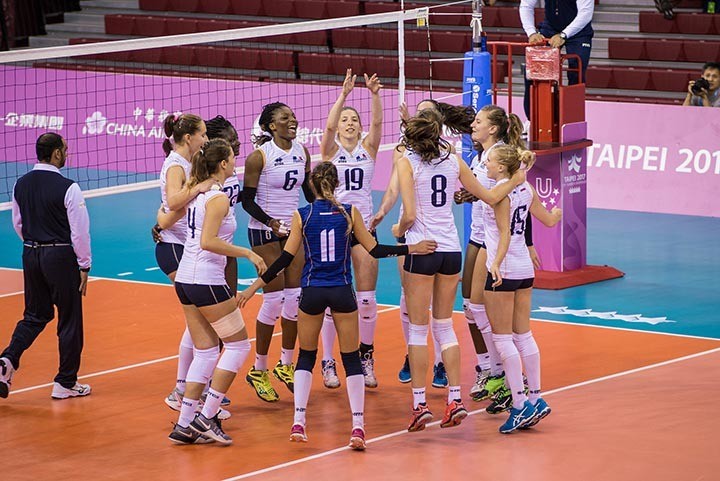
Volleyball Libero Position Rule Change That Transformed Defensive Team Strategy
A ball that used to hit the floor now has someone waiting for it. That is the simple reason the libero position rule changed volleyball so deeply: it gave defense a permanent seat at the table instead of treating it like cleanup work after the hitters had their fun. For American players, parents, coaches, and fans, the libero explains why today’s rallies feel faster, longer, and more tactical than older matches. The back row is no longer a hiding place for weaker attackers. It is a pressure zone where matches bend.
The change also gave smaller, quicker, reading-based athletes a cleaner path into the sport. A 5-foot-6 defender in a Texas high school gym can now matter as much as a tall middle on the right night. That matters for team building, recruiting, and sports strategy coverage for modern teams, because the best volleyball programs no longer ask who can hit hardest first. They ask who can keep the first touch alive under stress.
Why Volleyball Needed a Defensive Specialist
Volleyball had a quiet problem before the libero became normal. The sport wanted longer rallies, but its rotation system kept pulling front-row attackers into back-row passing duties they did not always handle well. That created short points. Serve, shaky pass, panic set, blocked ball. Done.
The answer was not to make every player the same. It was to admit that ball control deserves its own expert. That idea reshaped volleyball defense strategy because coaches could plan around a trained passer instead of hoping a tall middle survived three back-row rotations.
The old rotation punished some teams in plain sight
Before the libero, a middle blocker had to serve, pass, defend, and rotate like everyone else. Some middles handled it. Many did not. You could see the weak spot from the bleachers: a team would lose rhythm the second its tallest player moved to the back row.
That weakness changed how opponents served. They did not need a perfect ace. They needed a serve that dragged the middle into an awkward platform angle. One bad first touch was enough to pull the setter off the net and shrink the attack.
The non-obvious part is that the issue was not effort. It was job design. Asking a middle blocker to win jousts at the net, close blocks, run quick attacks, then pass a sharp float serve is like asking a catcher to pitch the ninth inning because he is already wearing gear. Possible? Sure. Smart every match? No.
The libero made defense visible instead of accidental
Once the back row specialist entered the sport, defense became easier to see. The jersey color helped, but the bigger shift was mental. Fans began tracking the player who read tips, covered seams, and turned messy attacks into playable balls.
This changed practice too. Coaches could spend more time building serve receive formation patterns around one defender who stayed calm under pressure. That made the first touch less random. It also raised the standard for everyone else, because a good libero exposes lazy movement around them.
A common American example shows up in high school gyms every fall. One team may have two strong hitters, but the other has a libero who keeps passing a 2.3 or 2.4 on a three-point scale against tough serves. The second team often runs the cleaner offense. The crowd remembers the kills, but the match was won three seconds earlier.
How the Libero Position Rule Rebuilt Back Row Planning
The libero position rule did more than add a new player label. It changed how coaches drew the court in their heads. The back row stopped being a rotation penalty and became a planned defensive shell, with the libero as the player who could absorb the hardest traffic.
That forced teams to think past raw athleticism. You could have tall blockers and heavy arms, but if your back row cracked under serving pressure, you were still exposed. The better programs started building from first contact forward.
Serve receive became a design choice, not a scramble
Serve receive formation used to be partly about hiding weakness. Now it is also about shaping strength. A coach can place the libero in a larger passing lane, reduce stress on a young outside hitter, or protect a middle who leaves the floor after rotating back.
This is where the change became tactical. A libero does not need to touch every serve to affect the server. Their presence can shrink the safe serving map. If the server avoids the libero, the ball may go to a less stable passer. If the server challenges the libero, the offense may get a cleaner first touch.
That tension gives volleyball its chess feel. A college server at Nebraska or Texas may aim short zone two to drag the libero forward, then later hit deep zone five to test movement. The play looks like a serve. It is closer to a question: can your best defender cover two problems at once?
Middle blockers gained freedom by leaving the back row
The libero also made middle blockers more dangerous, which sounds backward at first. A defensive player improved front-row offense by letting middles spend less time in roles that did not match their strongest skills.
When a middle exits for the libero in back-row rotations, the team protects its passing while keeping the middle fresh for blocking and fast attacks. That small exchange changes match tempo. The middle can focus on reading the setter, closing space, and being available for quick sets when they return front row.
This is a sharp lesson for youth volleyball development planning. The libero did not lower the value of tall athletes. It helped tall athletes specialize better. At the same time, it opened a real lane for players who win with balance, eye work, foot speed, and nerve.
What Coaches Actually Changed After the Libero Arrived
The best coaches did not treat the libero as a spare defensive substitute. They changed roster math, practice plans, and late-set choices. A position that looked narrow at first became one of the main ways to steady a team.
The sport moved from “who are our six best all-around players?” toward “which six-player pattern gives us the cleanest first touch, fastest transition, and most reliable coverage?” That sounds small until you watch a match swing on three digs that never make a highlight reel.
Recruiting started valuing touch under pressure
American volleyball recruiting changed because liberos gave coaches a reason to hunt for traits that box scores miss. Height still matters at the net. For a libero, the better questions are different. Does the player read shoulders early? Can they pass a serve that drops late? Do they recover after getting aced?
This is where many casual fans underrate the role. A libero may not score often, but they protect the team from emotional collapse. After a hard swing from the opponent’s best outside, a clean dig says, “We are still here.” That message spreads.
A practical example comes from club tournaments, where college coaches often stand behind courts rather than at center court. They are not only watching who jumps highest. They are watching who talks between points, who takes the seam ball, who owns a missed pass without shrinking. That is how a back row specialist earns trust.
Practice moved closer to match stress
The libero also changed drills. Coaches had to stop feeding easy balls and pretending the defense was ready. If the libero is going to carry heavy passing volume, practice must copy the ugly parts of matches: late float movement, serve pressure at 23-23, tips behind the block, and hard-driven balls off imperfect touches.
That pushed volleyball defense strategy into sharper training. Teams began pairing serving targets with transition goals. Pass this ball to zone two and run the middle. Dig cross-court and set the pipe. Cover the block, then reset fast enough to defend again.
The non-obvious insight is that the libero made practices less centered on the hitter’s ego. Great attacks still matter, but better gyms learned to celebrate the dig that allowed the attack. That changes team culture. Hitters swing freer when they believe someone behind them can repair the risk.
Why the Libero Still Changes American Volleyball Today
The libero is now so familiar that many young players cannot imagine volleyball without one. That can hide how bold the shift was. The sport carved out a player who does not rotate to the front row, wears a different jersey, and follows special replacement patterns because the game needed longer rallies and cleaner defense.
The official FIVB rule explanation notes that the libero was introduced in 1998 and plays a key role in serve reception and backcourt defense. In the United States, the position has kept growing through school, club, NCAA, and professional volleyball culture.
The position gave smaller athletes a serious identity
For many American players, the libero created hope. A player who lacks front-row size can still build a real volleyball identity through passing, digging, communication, and court reading. That is not a consolation prize. It is a demanding job.
The position also changed how families understand the sport. Parents used to measure volleyball potential by height too quickly. Now they can watch a smaller player control a match from the back row and see the path clearly. Good clubs teach this early: first contact feeds everything.
This matters in girls’ and boys’ volleyball alike. A libero who reads well can calm a loud gym, slow a serving run, and help a young setter stay in system. Those touches rarely feel dramatic in the moment, but over a season they decide who plays deep into playoffs.
The rule keeps forcing teams to be more honest
The libero did not solve every defensive problem. It made weak planning easier to punish. If a team depends on one great defender and leaves poor seams around them, good opponents will find the gap. If the libero passes well but cannot cover tips, attackers will roll short all night.
That is why modern serve receive formation work has become more detailed. Coaches map who owns each seam, how the libero shifts against left-handed servers, and when an outside hitter should take more court. Defense is no longer a vague demand to “move your feet.” It is a shared contract.
For volleyball coaching systems and player roles, the lasting lesson is plain. The libero turned defense into structure. Teams that treat the position as a jersey color miss the point. Teams that build trust around that player change the way every rally feels.
Conclusion
The libero changed volleyball because it corrected a flaw the sport had learned to tolerate. It gave defense a name, a uniform, and a place in the plan before the serve ever crossed the net. That is why the libero position rule still matters far beyond rule books or rotation charts.
For American teams, the bigger lesson is about fit. The best roster is not always six players with the same kind of talent. It is a group where each skill has a purpose, and where the first touch is respected as much as the final swing. The libero reminds coaches, players, and fans that winning volleyball starts before the highlight.
Watch your next match from behind the end line for one set. Follow the libero’s eyes, feet, shoulders, and voice. You may never see defense the same way again.
Frequently Asked Questions
What does a libero do in volleyball?
A libero is a defensive player who focuses on passing, digging, serve reception, and back-row coverage. They wear a different jersey and follow special replacement rules. Their job is to keep the ball playable so the setter can run the offense.
Why does the libero wear a different color jersey?
The different jersey helps officials, scorers, coaches, and fans identify the libero quickly. Since the position follows special restrictions and replacement patterns, the visual contrast keeps the match easier to manage during fast rallies.
Can a libero attack the ball at the net?
A libero cannot complete an attack hit if the ball is fully above the top of the net. They can send free balls and make controlled plays from the back row, but they are not used as front-row attackers.
Why is the libero position so valuable in volleyball?
Clean passing controls the whole rally. A strong libero steadies serve receive, extends defensive plays, and helps the setter avoid chasing bad balls. That gives hitters better chances and keeps the team from losing points in bunches.
Is the libero usually the shortest player on the team?
Often, but not always. Many liberos are shorter than front-row players because the role rewards quick movement, low posture, balance, and reading skill. Height helps less than touch, courage, and the ability to handle pressure.
Can a libero serve in volleyball?
It depends on the rule set. Some American high school and college rules have allowed liberos to serve in certain ways, while international rules are different. Players should always check the rules used by their league or tournament.
How did the libero change volleyball strategy?
Teams gained a steady defensive anchor who could handle more back-row responsibility. That changed passing lanes, serving targets, middle blocker usage, and practice design. Coaches began building attacks from first contact instead of treating defense as an afterthought.
What makes a great libero different from a defensive specialist?
A great libero usually carries more passing responsibility and often leads back-row communication. A defensive specialist may enter for certain rotations or matchups. The libero’s value comes from steady presence, fast reading, and trust under repeated pressure.